



A lot of brands implement gamification with the best intentions, but the results often feel disconnected from the actual product. When the experience looks or behaves differently from the core platform, users pick up on it immediately, and engagement suffers.
The main issue is simple:
Gamification only works when it feels naturally integrated into the user experience.
The limitations of third-party add-ons
Most external gamification tools operate as standalone layers. They load separately, respond more slowly and rarely match the product’s design or interaction patterns.
Another key limitation is data. Gamification that isn’t based on real player data is less effective to begin with, and when progress, wins or mission completions rely on delayed data, the experience quickly degrades.
This creates friction:
- UI inconsistency
- Limited or generic use of player data
- Delayed triggers and progress updates
- Interruptions at the wrong moments
In fast-moving environments like iGaming or Trading, even minor timing mismatches can break the flow and reduce participation.

Why native gamification improves UX
When gamification is built inside the platform and connected directly to real-time user data, the experience is noticeably smoother:
- It loads instantly.
- It matches the platform’s design and behaviour.
- It responds at the exact moment the user acts.
- Rewards are granted accurately and immediately.
- No additional windows distract from the user flow.
Users don’t question it – the interaction feels like a natural part of the product, which encourages consistent engagement.
Where Solitics Stands out
Solitics’ gamification is built on the same real-time engine that drives the rest of the platform. Because of this:
- Every mission, challenge or reward can appear at the exact moment it matters.
- The logic is always aligned with the user’s real behaviour.
- The interface feels unified across the entire product.
The result is a gamification layer that is consistent, timely and trustworthy, all of which directly impact engagement and retention.

Customisation and personalisation as added value
At Solitics, gamification is not just native, it’s also smart. That means that brands can easily tailor missions, widgets and rewards to each user.
Because it uses the platform’s own data and logic, personalisation becomes coherent and contextually relevant, rather than generic.
For example:
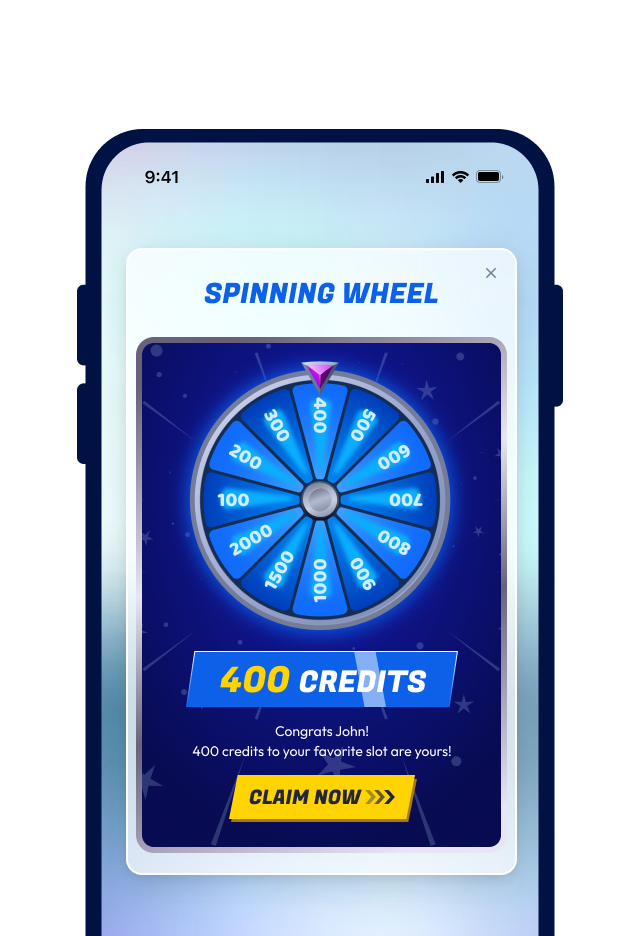
A ‘Spin the Wheel’ widget can automatically fill each slice with rewards that match a user’s behaviour, including their activity level, preferences or recent patterns.
The user doesn’t think ‘This wheel is personalised for me’.
They simply see rewards that feel relevant and appealing, which makes them more likely to spin in the first place.
That quiet alignment is the real benefit:
The user engages more because the experience feels right, and the brand wins because engagement increases, without the user ever needing to recognise why.
In summary
Native gamification offers a superior user experience because it is seamless, immediate and consistent with the rest of the product.
Third-party add-ons struggle to deliver this level of integration, which is why native solutions provide clearer, more reliable results.