







Trading platforms move quickly, and customer behaviour changes with them. A user can register, complete KYC, fund an account and begin following new markets in a single session. They can also lose interest just as quickly.
For marketing teams, the challenge is recognising those changes early enough to respond while the moment still matters.
Real-time marketing automation makes that possible. It connects live customer and market data to segmentation, journeys and communication, so every user can move through a different path based on what they are doing now.
For trading and fintech platforms, this becomes even more valuable when AI is built into the same system. AI can help teams understand what is happening, identify where a journey needs attention and turn that insight into a real campaign without rebuilding the work across several tools.
Why real-time matters in online trading
Many marketing systems still rely on scheduled data updates. A customer may complete KYC or fund an account, but the campaign does not react until the next refresh. By then, the best time to guide the next step may have passed.
With real-time automation, each new event can update the user’s segment and journey immediately. A newly funded customer can receive relevant onboarding, while someone whose activity is beginning to fall can enter a retention journey built around that change.
Market activity can also become part of the journey. When there is a significant movement in an asset a user follows, the platform can identify the relevant audience and deliver a timely update through the right channel.
This is especially useful during periods of high volatility, when activity increases and marketing teams have less time to respond manually. The communication logic can be prepared in advance and triggered only when the right conditions are met.
What should online trading brokers look for in a CRM?
A CRM for an online trading broker needs to do more than store customer information. It should connect customer records with live behavioural and transactional data, then use that information to manage engagement as activity changes.
Registration, KYC, funding, trading activity and changes in engagement should all be actionable. This requires a real-time engagement layer that can update audiences, trigger journeys and coordinate communication across channels.

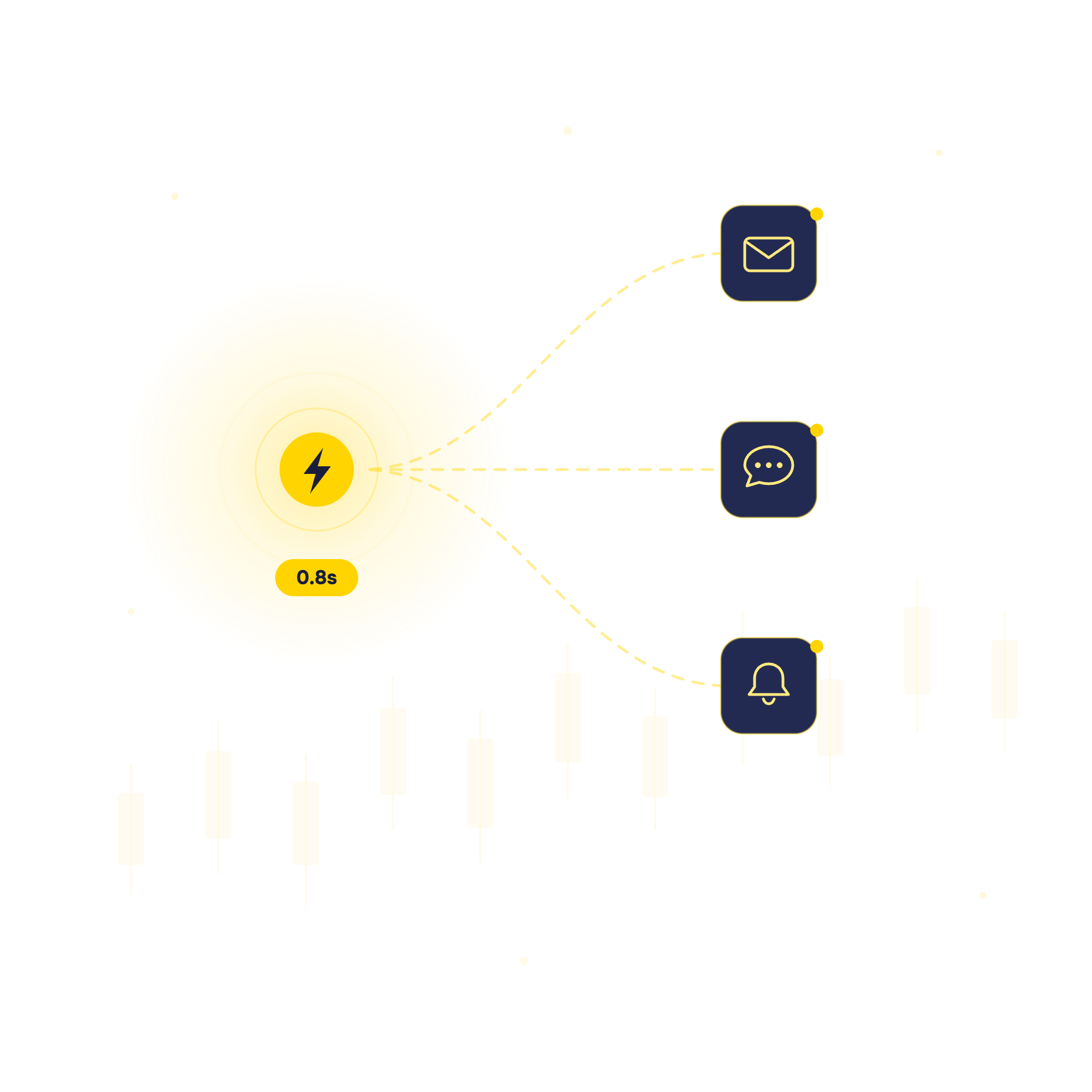
At Solitics, data from trading platforms, apps, websites, CRM systems and external feeds can be processed within 0.8 seconds. This allows marketers to personalise engagement across email, SMS, push, in-app experiences and other channels while the customer’s activity is still relevant.
The customer does not need to follow one fixed journey. Each new action can change what they receive and what happens next.
Personalisation needs control
Real-time communication should make engagement more relevant, rather than simply increasing the number of messages a customer receives.
This is especially important in financial services, where every automated action needs to respect consent, eligibility and responsible-engagement requirements. These rules should be part of the journey itself and checked when each trigger occurs.
FCA research found that digital engagement practices used by trading apps, including push notifications and gamification, can affect trading frequency and risk-taking. This makes it important to give every interaction a clear purpose and consider how the wider experience may influence customer behaviour.
A market update can be useful when it reflects the user’s interests and is delivered within the right permissions. The same automation should also prevent the message from being sent when the customer is ineligible or has changed their communication preferences.
How AI improves customer engagement
Real-time automation gives marketing teams the data they need to act. AI helps them use it more effectively.
A generic AI tool can suggest a campaign or help write content, but it usually knows very little about how a company’s audiences and journeys are actually configured.
An AI agent inside the engagement platform can work with that context directly. It can understand the data connected to the platform, review campaign performance and help teams turn a business goal into practical marketing work.

What makes an AI agent useful for customer engagement?
An AI agent is most valuable when it works inside the customer engagement platform and can use the same data, journeys and campaign logic as the marketing team.
A standalone AI tool can help write content or suggest ideas. An embedded agent can understand how the account is actually set up, identify where a journey needs attention and turn a business goal into practical work inside the platform.
For example, it could spot that users are dropping out at a particular stage of onboarding, build the relevant audience and prepare a campaign designed to address it. The marketing team can then review the work before anything is launched.
This is what moves AI beyond individual tasks. It becomes part of the wider engagement workflow, helping teams get from insight to execution faster while keeping the final decision in human hands.
From insight to execution
An embedded agent can identify where users are leaving an onboarding journey, find the audience affected and prepare a campaign to address it.
The team can then review the audience, trigger and content before anything is activated. This removes a large part of the manual work while keeping marketers in control of the final decision.
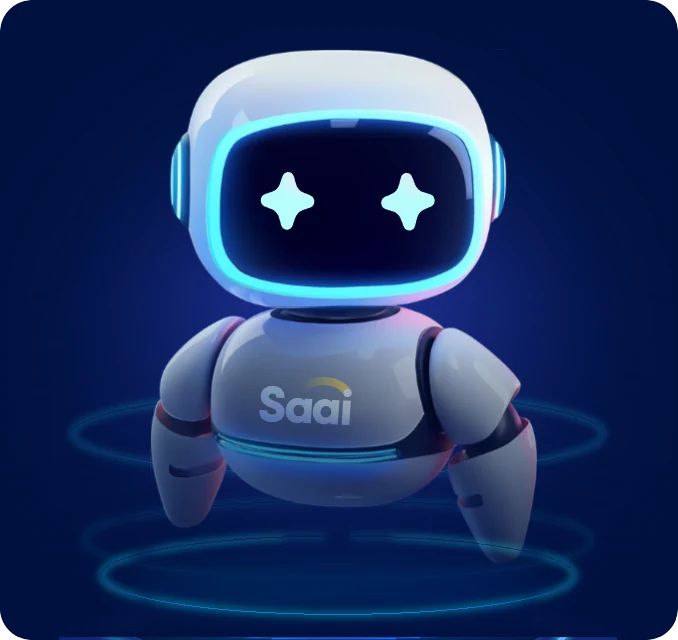
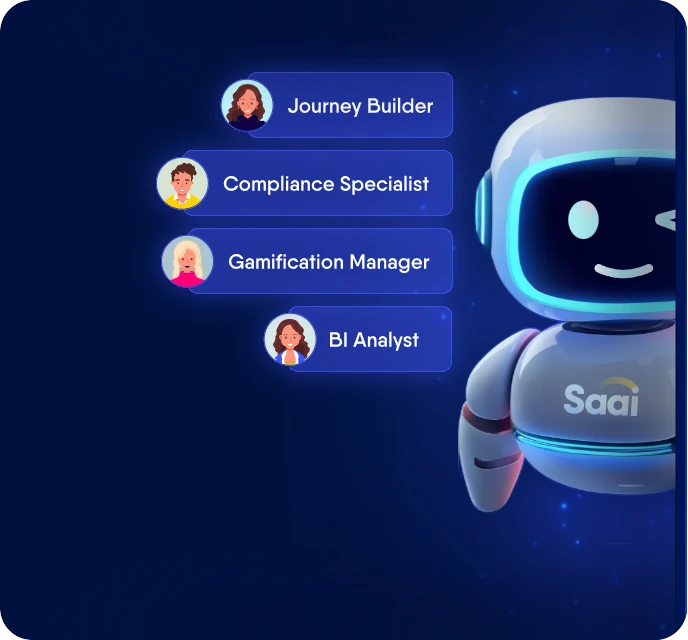
Saai follows this model inside Solitics. She understands the platform, connected customer data, campaign logic and industry context. Teams can use her to ask questions, analyse performance and build Solitics-ready campaigns through natural language.
This allows AI to take a more active role in the marketing workflow. It can prepare the work, rather than stopping after a recommendation.
Where gamification fits
AI-driven engagement can also extend into gamification.
Trading and fintech platforms can use missions and interactive widgets to support onboarding, product education and other relevant stages of the journey. These experiences can adapt as the user progresses, using the same live data that powers the rest of the engagement strategy.
AI can then help teams understand where users are disengaging and identify changes that could improve the experience.
At Solitics, gamification sits alongside live segmentation and automated journeys within the same platform. This makes it easier to create personalised experiences and measure how they affect the wider customer journey.
As with any engagement feature in a trading environment, each experience should have a clear purpose and be delivered to the right users under the appropriate controls.

What to look for in a trading engagement platform
When comparing top real-time engagement tools for fintech and trading apps, the most important question is whether the platform can connect live data to real action.
The best marketing automation platform for a trading business should be able to respond quickly, personalise journeys across channels and apply the relevant rules throughout the process.
Its AI capabilities should also work with the same data and campaign logic. This allows AI to support the full workflow, from identifying an opportunity to preparing the campaign and measuring what happens next.
Solitics brings real-time automation, AI and gamification together for trading and fintech platforms. This gives marketing teams a more responsive way to manage customer journeys, with less manual work and greater control over how every interaction is delivered.